
Simple Ways to Reduce Noise at Home for a Calmer Living Space
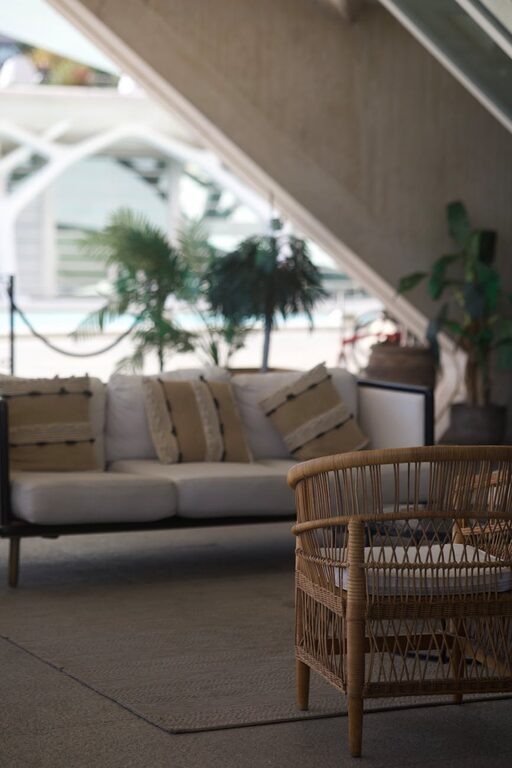
Creating a calm and quiet home environment has become increasingly important in today’s busy world. Whether you want to block out street noise, prevent sounds from disturbing family members, or simply enjoy more peaceful moments, there are plenty of simple ways to reduce noise at home. This post will guide you through effective techniques and practical tips that anyone can use to make their home more serene.
Why Reducing Noise Matters
Noise pollution at home can affect your stress levels, sleep quality, and overall well-being. Silent spaces foster relaxation, improve concentration, and make for more comfortable living. The good news is that reducing noise doesn’t always mean expensive renovations — many solutions are affordable and easy to implement.
Identify Noise Sources First
Before tackling noise reduction, it’s helpful to identify where the noise is coming from:
– Traffic and street noise
– Noisy neighbors or shared walls
– Household appliances (e.g., washing machines, HVAC systems)
– Pets or children playing loudly
– Echoes and reverberations inside rooms
Recognizing these sources will help you choose the most effective strategies.
Simple Ways to Reduce Noise at Home
1. Use Soft Furnishings to Absorb Sound
Hard surfaces reflect sound, making noise louder and more noticeable. Adding soft materials can help absorb sound waves:
– Rugs and Carpets: Place thick rugs or carpets on floors, especially on hard surfaces like tile or wood.
– Curtains: Heavy curtains or drapes over windows help block outside noise and reduce echo.
– Upholstered Furniture: Sofas, chairs, and cushions dampen sound within a room.
2. Seal Gaps Around Doors and Windows
Noise easily enters through cracks and gaps. Improving seals can greatly reduce this:
– Weatherstripping: Apply weatherstripping tape around old doors and window edges.
– Door Sweeps: Install door sweeps at the bottom of doors to block noise from hallways or outside.
– Window Inserts: Consider acrylic window inserts for an extra sound barrier without replacing windows.
3. Add Soundproofing Materials to Walls
While full soundproofing can be costly, minor adjustments help:
– Bookshelves: Filled with books, they act as additional layers to absorb noise on shared walls.
– Wall Hangings: Thick tapestries or fabric wall art absorb sound.
– Acoustic Panels: Foam or fabric panels can be installed in noisy rooms and look decorative too.
4. Rearrange Furniture Strategically
Placing large furniture against shared walls cushions sound transmission:
– Move your sofa, bookcases, or wardrobes so they sit along walls closest to noisy neighbors or streets.
– Use room dividers to create physical barriers in open spaces.
5. Use White Noise Machines or Fans
Sometimes, completely eliminating noise isn’t possible. Using white noise can mask disruptive sounds:
– White noise machines produce steady, soothing sounds.
– Fans or air purifiers also create ambient noise that can cover sudden loud sounds.
6. Maintain Appliances and HVAC Systems
Sometimes, noise inside the home comes from appliances and heating/cooling units:
– Regular maintenance of washers, dryers, and refrigerators keeps them running quietly.
– Install vibration pads under machines to reduce rattling.
– Clean air filters to prevent noisy airflow from HVAC systems.
7. Consider Plants for Noise Reduction
Indoor plants are more than decoration — their leaves, stems, and soil absorb sound waves:
– Group several leafy plants in noisy corners.
– Plants like ferns and pothos work well indoors.
8. Create Quiet Zones and Use Soft Floor Coverings
If you share your home with others or work from home, designating quiet areas helps:
– Use padded mats or cushions on floors.
– Add soft throws and pillows in spaces meant for relaxation or concentration.
Additional Tips for Long-Term Noise Reduction
– Communicate with Neighbors: If external noise is a problem, talking about quiet hours can help.
– Replace Old Windows: Upgrading to double-glazed windows offers superior noise blocking.
– Install Soundproof Doors: These are designed with heavy cores to block sound better than standard doors.
– Use Carpeting in Stairwells and Hallways: Often overlooked, these areas can carry noise loudly through the house.
Final Thoughts
Reducing noise at home doesn’t have to be complicated or expensive. By taking thoughtful steps—like adding soft furnishings, sealing gaps, and using simple sound-absorbing elements—you can significantly improve your home’s quietness. This leads to a more comfortable, calm living space where you can relax, work, and enjoy life without unnecessary noise distractions.
Try these strategies one at a time, and you might be surprised how much quieter your home can become!