
Quick Ideas to Brighten a Dark Room and Transform Your Space
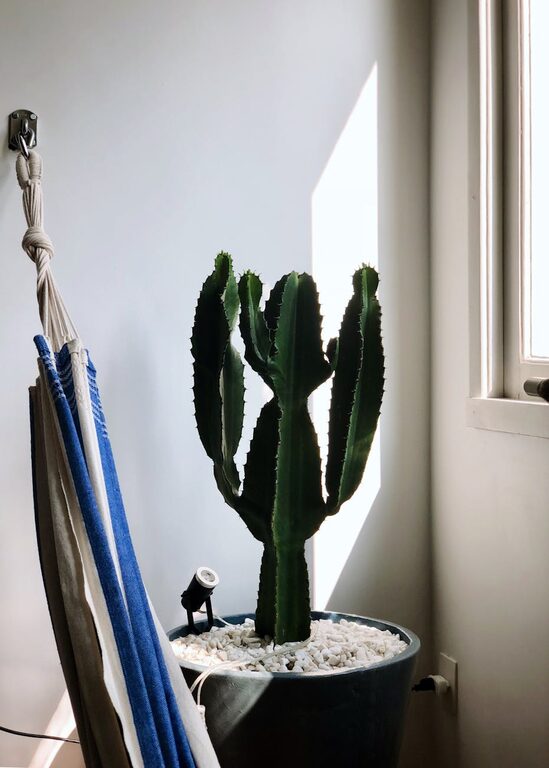
When a room feels dark and gloomy, it can affect your mood and make the space less enjoyable to spend time in. Fortunately, brightening a dark room doesn’t always mean costly renovations or major work. With a few thoughtful changes, you can transform a dim room into a vibrant, welcoming area. In this post, we’ll explore practical, budget-friendly ideas to lighten up your dark room and create a fresh ambiance.
Why Are Some Rooms Dark?
Before diving into solutions, it helps to understand why a room might feel dark:
– Limited natural light due to small windows or window placement
– Dark wall colors or heavy curtains blocking light
– Insufficient artificial lighting or improper light fixtures
– Clutter that obstructs light flow
Knowing the cause helps choose the right approach to brighten your space.
—
Use Light Colors on Walls and Ceilings
One of the simplest ways to make a room feel brighter is by painting walls and ceilings with light, reflective colors.
– Choose Whites and Pastels: Whites, creams, soft grays, pale blues, and pastels reflect light effectively.
– Avoid Dark Paints: Dark colors absorb light and can make a space feel smaller and gloomier.
– Paint the Ceiling White: A bright ceiling reflects more light down into the room and makes the space feel taller.
If you want a bit of color, try an accent wall in a lighter shade rather than painting the entire room dark.
—
Enhance Natural Light Flow
Maximizing any natural light coming in is key to improving brightness.
– Window Treatments: Use sheer or light-filtering curtains instead of heavy drapes. Consider blinds that can be adjusted to let in light but maintain privacy.
– Keep Windows Clean: Dirt and smudges reduce the amount of sunlight entering a room.
– Furniture Placement: Avoid placing tall furniture or bulky objects right in front of windows.
– Mirrors: Position a mirror opposite or near the window to bounce natural light around the room.
—
Improve Artificial Lighting Strategies
Good lighting is essential, especially in rooms with little natural light.
Layer Your Lighting
Use multiple light sources at different levels to create an evenly lit room.
– Ambient Lighting: Overhead fixtures such as ceiling lights or chandeliers provide general illumination.
– Task Lighting: Desk lamps, reading lights, or under-cabinet lighting helps with specific activities.
– Accent Lighting: Spotlights, wall sconces, or LED strips highlight art, plants, or architectural features.
Choose Bright, Warm Bulbs
– Select LEDs or CFLs with a high lumen output to ensure the space is well lit.
– Warm white bulbs (2700K–3000K) create a cozy atmosphere, while cool white bulbs (4000K+) can increase perceived brightness.
—
Reflective Surfaces and Accessories
Incorporating reflective materials helps bounce light and visually enlarge the room.
– Mirrors: A large mirror or a collection of smaller ones can amplify light and add depth.
– Glass and Metallic Accents: Furniture or decor items with glass, chrome, silver, or gold finishes reflect light beautifully.
– Glossy Furniture or Floor Finishes: Glossy surfaces bounce light better than matte ones.
—
Optimize Furniture and Layout
How you arrange furniture can influence the brightness of a room.
– Choose Light-Colored Furniture: Light woods or upholstery brighten the space compared to dark pieces.
– Keep It Minimal: Avoid overcrowding the room to allow light to travel freely.
– Open Shelving: Instead of bulky cabinets, open shelves prevent visual heaviness.
—
Add Greenery and Natural Elements
Plants add life and brightness to a room by providing color and texture.
– Choose plants that thrive in low light, such as snake plants or pothos.
– Place them near windows or well-lit corners.
– Use colorful pots or stands to add an uplifting touch.
—
Declutter and Clean Regularly
Clutter can make a dark room feel cramped and heavier.
– Organize possessions and keep surfaces clear.
– Clean floors and surfaces so that light can reflect unhindered.
– Use storage solutions that blend with your decor to maintain a tidy look.
—
Final Thoughts
Brightening a dark room involves a combination of thoughtful color choices, strategic lighting, and careful layout. By embracing these quick ideas, you can create a room that feels open, cheerful, and welcoming — no matter its size or natural light situation. Experiment with a few tips at a time and enjoy the process of transforming your space into a bright haven.