
Beginner Tips for Taking Better Phone Photos
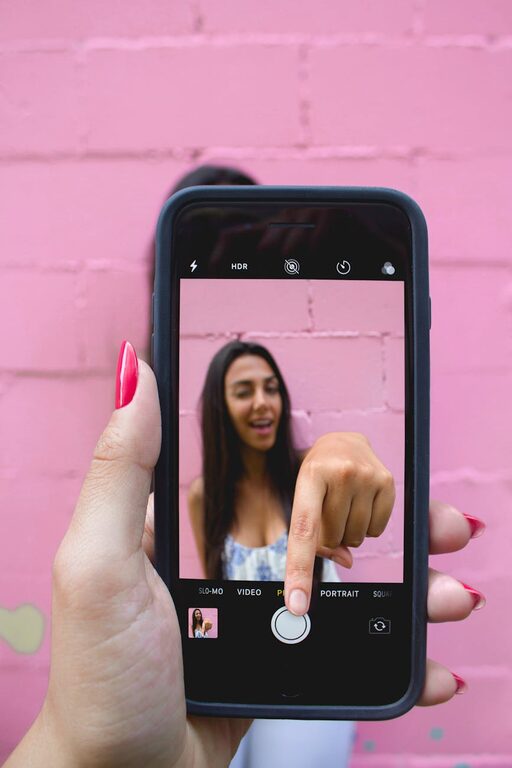
Taking great photos with your phone is easier than you might think. With today’s smartphones equipped with advanced cameras, anyone can capture impressive images — no fancy equipment needed. Whether you’re snapping shots for social media, family memories, or just for fun, these beginner tips will help you improve your phone photography skills and take better photos.
Understanding Your Phone Camera
Before diving into tips, it’s important to know the basics of your phone’s camera:
– Explore the Camera App: Spend some time exploring settings like HDR, grid lines, zoom, and different shooting modes.
– Clean the Lens: A clean lens is crucial for sharp photos. Gently wipe it with a microfiber cloth.
– Use the Highest Resolution: Check your camera settings and choose the highest quality photo option available.
Composition: Framing Your Shot
Good photos often start with strong composition—the way elements are arranged within the frame. Here are some simple composition tips:
Use the Rule of Thirds
Turn on grid lines in your camera app. Imagine your frame divided into nine equal parts. Place key subjects along these lines or at their intersections to create balanced photos.
Keep It Simple
Avoid cluttered backgrounds that distract from your subject. A clean, uncluttered background helps your subject stand out.
Look for Leading Lines
Lines in your environment (like roads, fences, or staircases) can lead the viewer’s eye toward the main subject, adding depth to your photos.
Try Different Angles
Don’t just shoot from eye level. Get low, shoot from above, or try different perspectives to add interest.
Lighting: Make the Most of Natural Light
Lighting can make or break a photo. Use these tips to improve your lighting:
Shoot During Golden Hours
The hour after sunrise and the hour before sunset, called “golden hours,” offer soft, warm light that enhances shadows and colors.
Avoid Harsh Midday Sun
Bright midday light can create harsh shadows and washed-out colors. If shooting during this time, find shade or use indirect light.
Use Natural Reflectors
Light surfaces like walls or sidewalks can bounce sunlight back onto your subject, softening shadows.
Turn on Your Phone’s Flash Sparingly
Phone flashes can look harsh and unnatural. Only use them in very low light when needed.
Focus and Exposure
Getting your focus and exposure right is key to sharp, well-lit images.
Tap to Focus
Most phone cameras let you tap the screen to focus on a specific subject. Make sure your subject is sharp by tapping on it.
Adjust Exposure
After tapping to focus, some phones allow you to slide your finger up or down to brighten or darken the image. Use this to balance light.
Use Portrait Mode for People Photos
Many phones offer a Portrait mode that creates a blurred background effect, highlighting your subject.
Stability: Keep Your Phone Steady
Blurry photos often come from shaky hands. Here’s how to reduce blur:
– Hold Your Phone with Both Hands: This offers more stability than one hand.
– Lean Against a Surface: Lean on a wall or table for support.
– Use a Tripod or Stand: If you have one, a small phone tripod can greatly improve sharpness.
– Enable Image Stabilization: Some phones have settings to reduce blur — check if yours does.
Experiment with Editing Apps
Editing can enhance your photos dramatically. Some popular, beginner-friendly apps include Snapseed, VSCO, and Lightroom Mobile.
Basic Edits to Try
– Crop and straighten: Improve composition and correct tilted horizons.
– Adjust brightness and contrast: Make your image pop.
– Enhance colors: Use saturation or vividness subtly.
– Sharpen: Bring out details without overdoing it.
– Apply filters: Use filters sparingly to maintain natural look.
Practice and Have Fun
Improving your phone photography takes practice. Try these ideas:
– Set Daily Challenges: For example, take photos of textures, shadows, or reflections each day.
– Learn from Others: Follow mobile photographers on social media for inspiration.
– Review Your Photos: Look at your pictures regularly to see what works and what doesn’t.
Conclusion
With a little attention to composition, lighting, focus, and stability, anybody can take better phone photos. The key is to practice, experiment, and have fun capturing the world around you. So pick up your phone, try these tips, and watch your photography skills grow!